



Behind the Craft: How Handmade Ceramics Are Made
In a world filled with fast production and uniform products, handmade ceramics offer something different. They carry the mark of the maker, the rhythm of the process, and the beauty of imperfection.
At Casa Amarosa, every ceramic piece begins long before it reaches a shelf. It starts with raw clay, skilled hands, and a process that transforms simple materials into something functional and beautiful.
Understanding how handmade ceramics are made gives a deeper appreciation for the craftsmanship behind each piece and why no two are exactly alike.
From Clay to Form: The Beginning of Every Piece
Every ceramic product starts with clay, a natural material that is shaped and refined through a series of careful steps.
Artisans begin by preparing the clay to ensure the right consistency. It is then shaped by hand or on a wheel, depending on the design. This stage defines the structure of the piece, whether it is a bowl, mug, or serving platter.
Unlike mass production, where machines create identical forms, handmade shaping allows for subtle differences in each piece. These variations are what give artisan ceramics their unique character.
Drying and Refining the Shape
Once shaped, the ceramic piece is left to dry. This stage is essential because it allows the clay to harden before it goes through firing.
Artisans often refine the piece during this stage by smoothing edges, adjusting shapes, or adding small details. This careful attention ensures that each item is both functional and visually balanced.
Because the process is done by hand, no two pieces will be perfectly identical. This is part of what makes handmade ceramics feel more personal.
The First Firing: Strength and Structure
After drying, the ceramics go through their first firing in a kiln. This process transforms the clay into a hardened material, giving it strength and durability.
The temperature and timing of the firing play a critical role in the final result. Skilled artisans understand how to manage this stage to ensure consistency while preserving the character of the piece.
This step is where the ceramic begins to take on its final form.
Glazing: Adding Color, Texture, and Finish
Glazing is one of the most defining stages in the ceramic process.
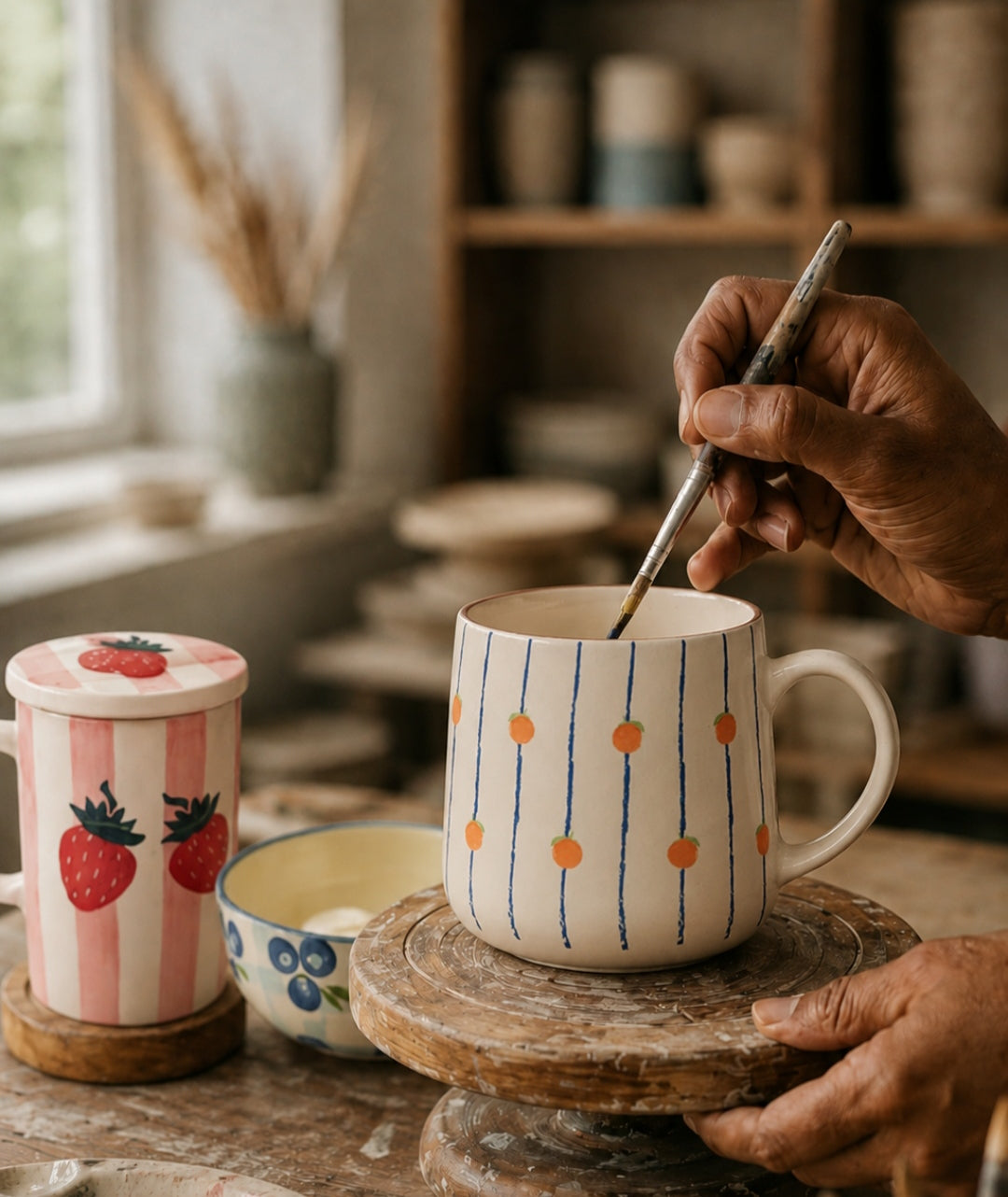
Each piece is coated with a glaze that determines its color, texture, and finish. Some glazes create a smooth, polished look, while others highlight brush strokes or natural textures.
In handmade ceramics, glazing is often done by hand, which means slight variations in color and finish are natural. These variations are what give each piece depth and individuality.
For Casa Amarosa, details like hand painted patterns, layered glazes, and textured finishes are what make each collection stand out on a retail shelf.
The Final Firing: Bringing It All Together
After glazing, the ceramics go through a second firing. This final step sets the glaze and completes the transformation of the piece.
The result is a durable, functional item that can be used every day while still carrying the marks of its handmade process.
Even at this stage, slight differences in temperature or placement in the kiln can create subtle variations. These nuances are part of what makes handmade ceramics so special.
Why Variation Is Not a Flaw
One of the most common questions retailers and customers ask is about variation in handmade ceramics.
Because each piece is shaped, glazed, and fired individually, small differences in color, texture, or finish are expected. Rather than being defects, these variations are a reflection of the craftsmanship behind the product.
They make every piece unique.
For retailers, this becomes a powerful selling point. Customers are increasingly drawn to products that feel one of a kind rather than mass produced.
The Value of Handmade Ceramics Today
As more consumers move toward thoughtful purchasing, handmade ceramics are becoming an essential part of modern home decor.
They offer:
• A connection to craftsmanship
• Unique character and variation
• Small batch production
• Timeless design
At Casa Amarosa, we work closely with artisan partners across India to create ceramic collections that balance traditional techniques with modern aesthetics.
Each piece is designed to be both functional and visually distinctive, making it ideal for everyday use and retail display.
From Artisan to Table
Handmade ceramics are more than just products. They are the result of time, skill, and a process that values quality over speed.
From shaping the clay to the final firing, every step adds to the story of the piece.
When you bring handmade ceramics into your home or your store, you are bringing in something that carries both craftsmanship and character.
Discover Casa Amarosa Ceramics
Explore Casa Amarosa’s collection of handcrafted ceramics and artisan made tableware, designed in small batches and created by skilled artisans across India.
Read more
How Handmade Ceramics Help Retailers Sell Better
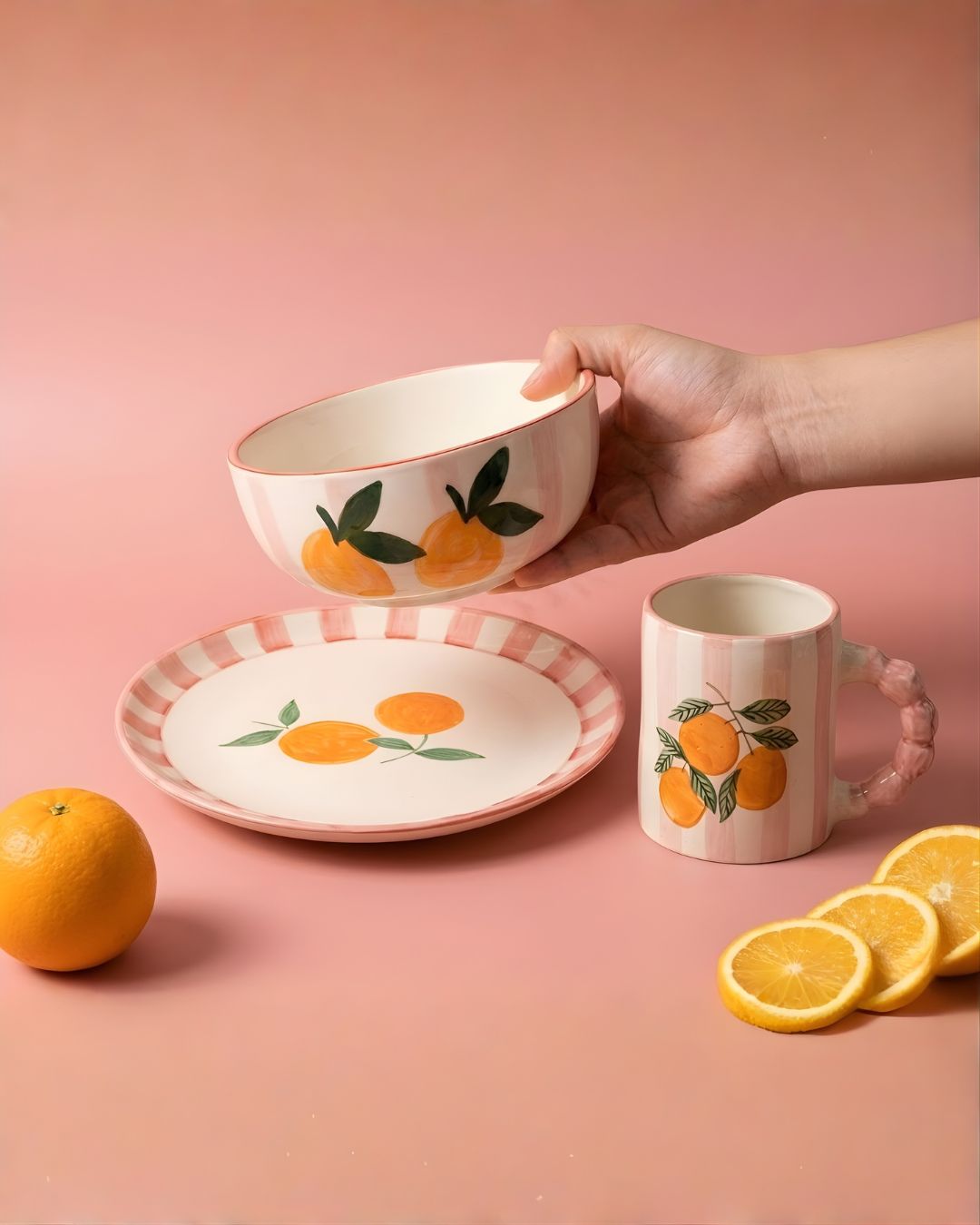
Handmade ceramics help retailers stand out with unique designs, premium quality, and strong storytelling value. They create better merchandising opportunities, higher customer connection, stronger ...
Read more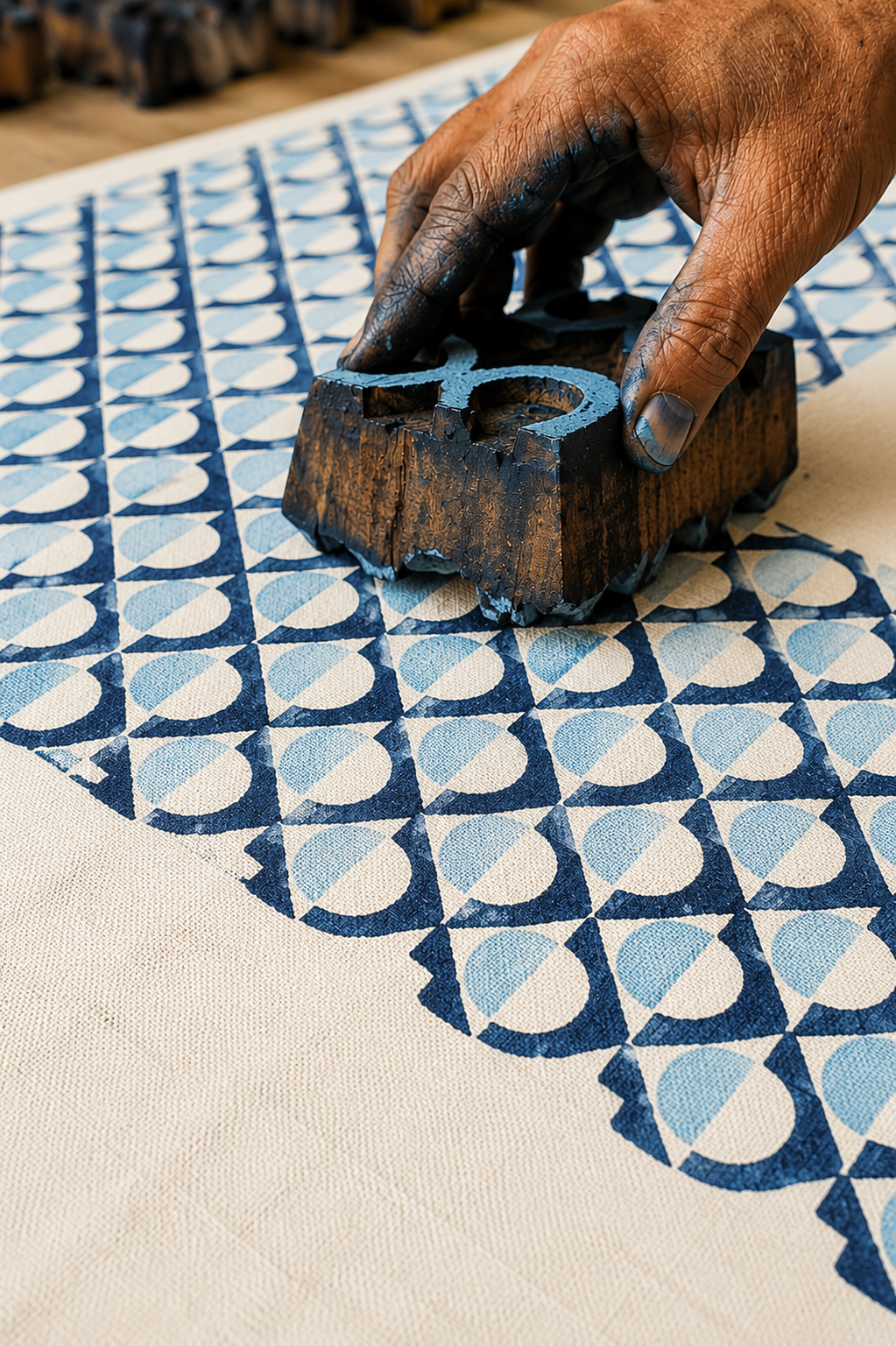
The Art of Block Printing: India’s 300-Year-Old Craft
Discover the timeless art of Rajasthan's 300-year-old block-printing tradition and the skilled artisans who keep it alive today. Learn how each handcrafted piece is created and why its unique varia...
Read more